Bunny 3D SVG Shapes for Modern Blog Graphics
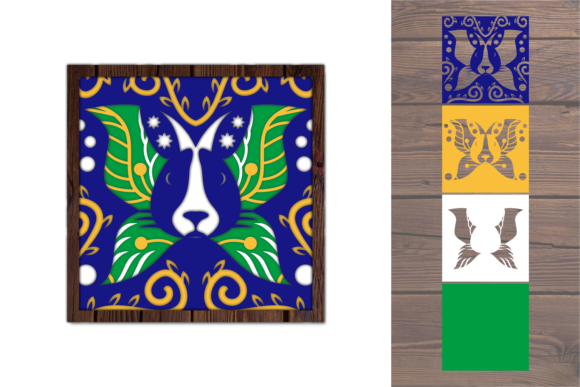
As a digital publisher who has spent years refining the visual identity of multiple content sites, I approach every new graphic design asset with a critical eye. It is not enough for an image to be cute; it must perform. When I first opened the files for Bunny, my immediate reaction was one of relief. In a sea of flat, overused icons, this 3D SVG stands out with a tangible sense of depth and character. The design features a charming bunny integrated with a butterfly concept, creating a whimsical yet polished aesthetic that feels incredibly current. For bloggers and website owners looking to elevate their editorial design, this asset hits the sweet spot between playful creativity and professional execution.
The mood this illustration creates is distinctly lifestyle-focused and inviting. It carries a softness that appeals to audiences in the parenting, education, spring seasonal, or creative hobby niches. However, because it is rendered as a vector with modern dimensionality, it avoids looking childish or amateurish. Instead, it signals to the reader that the content behind the image is thoughtful and curated. When you are building brand identity, these subtle cues matter. A high-quality visual tells your audience that you care about details, which directly translates to higher reader trust and engagement.
Integrating Bunny into Your Publishing Workflow
In my own workflow, versatility is king. I need assets that can stretch across different platforms without losing quality. Bunny excels here because it comes in EPS, PDF, and SVG formats. This flexibility allows me to drop it straight into my web design projects or scale it up for large-format prints without any pixelation. Here is how I envision deploying this asset across a typical content strategy:
- Blog Featured Images: Placing this graphic alongside a bold headline creates an instant hook. The 3D effect draws the eye immediately, improving click-through rates from archive pages.
- Pinterest Pins: Pinterest is a visual search engine where aesthetics drive traffic. Using this shape as the focal point of a vertical pin can significantly boost save rates, especially for seasonal or lifestyle content.
- Newsletter Headers: Email clients can be tricky with images, but using the SVG or a optimized PNG version of this asset in a newsletter banner adds a splash of personality that breaks up text-heavy updates.
- Digital Products: If you sell digital guides, worksheets, or eBooks, this graphic works beautifully on cover pages. It adds a professional touch that justifies a higher price point for your digital download products.
- Social Media Graphics: From Instagram stories to Facebook ads, the clean lines of the vector ensure it looks crisp on high-resolution mobile screens.
For affiliate marketing specifically, visuals are the bridge between interest and action. Using a cohesive set of graphics like Bunny helps create a recognizable visual language. When a user sees this style repeatedly across your blog, social media, and email, it reinforces your authority in the niche.
Enhancing Visual Hierarchy and Reader Experience
The primary function of any design asset in a publishing context is to support visual hierarchy. You want the reader's eye to travel naturally from the image to the headline, then to the call-to-action. The 3D SVG nature of this bunny illustration provides excellent separation from the background, making it ideal for layering. I found that when placed against solid pastel colors or soft gradients, the shadows and highlights inherent in the design pop effectively. This creates a clear focal point that anchors the layout.
Furthermore, consistency breeds recognition. By using Bunny as a recurring motif in your category thumbnails or section dividers, you build a stronger visual identity. Readers begin to associate that specific look with your brand's voice. Whether you are running a small business branding campaign or managing a large editorial calendar, having a go-to graphic that fits your tone saves time and ensures a polished look across all touchpoints.
Strategic Placement and Usage Considerations
While Bunny is a robust asset, knowing where not to use it is just as important as knowing where to place it. This design shines brightest in hero images, article thumbnails, and dedicated content marketing visuals. It is perfect for lead magnets and downloadable resources where a friendly, approachable vibe is desired. However, caution is advised when using it in very serious professional niches, such as corporate finance or legal advice, where a more minimal or abstract visual system might be required to maintain gravitas.
Additionally, be mindful of contrast. Because the design has intricate details with the butterfly element, it may get lost if placed on a busy, patterned background or a low-contrast color scheme. Always test your blog graphics on both desktop and mobile devices. What looks stunning on a 27-inch monitor might become a muddy blur on a smartphone screen if the sizing isn't adjusted correctly. For small mobile thumbnails, ensure the core shape of the bunny remains distinct and recognizable.
Technical Notes for Publishers and Designers
Before integrating this into a live website header or a paid product, there are several practical steps every publisher should take. First, review the file sizes. While vectors are inherently scalable, ensure that any rasterized versions you export for the web are properly compressed to maintain fast page load speeds. Second, experiment with typography. I recommend testing Bunny beside various font styles—try it with a clean sans-serif for a modern look, a serif for an editorial feel, or a handwritten script to amplify the playful nature of the design.
Finally, and perhaps most critically, always confirm the licensing terms. As a professional operating in the creative marketplace, I never assume usage rights. Ensure you have the appropriate commercial license before using this asset on monetized websites, affiliate landing pages, or in products you intend to sell. Once cleared, this asset becomes a powerful tool in your arsenal, ready to transform ordinary layouts into engaging, high-converting visual experiences.
In conclusion, Bunny is more than just a cute illustration; it is a functional piece of commercial design tailored for the modern web. Its ability to adapt across Canva templates, printables, and digital interfaces makes it a valuable investment for anyone serious about the visual quality of their online presence. By leveraging its 3D depth and charming concept, you can create content that not only looks good but performs well in the competitive landscape of digital publishing.