Christmas Wreath: A Designer's Take on Holiday Embroidery
As a designer who spends more time under the magnifying lamp of an embroidery machine than most people spend in their living rooms, I approach every new machine embroidery design with a mix of excitement and skepticism. When I first pulled up the files for the Christmas Wreath, my immediate reaction wasn't just about whether it looked cute on a screen; it was about how those digital vectors would translate into thread, texture, and tangible value for a client or a small shop product.
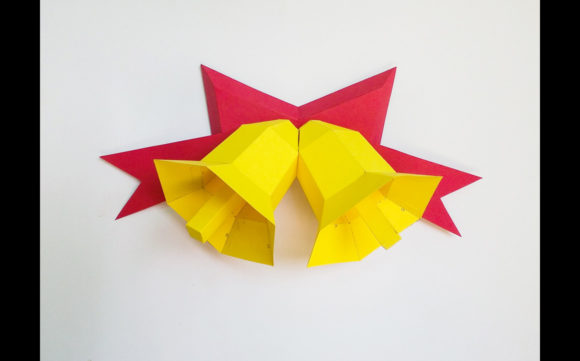
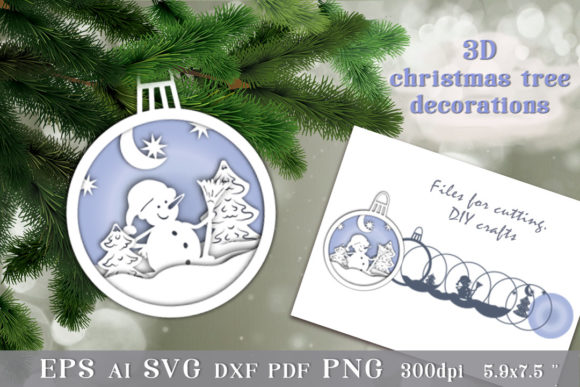
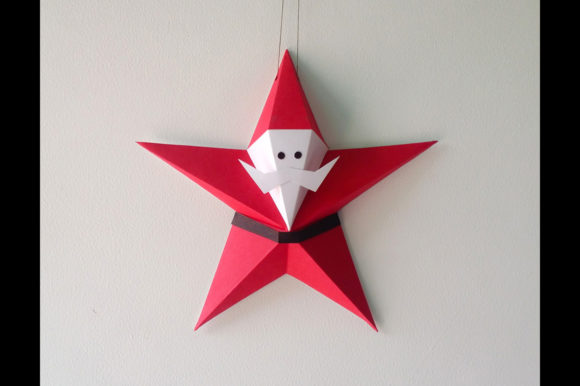
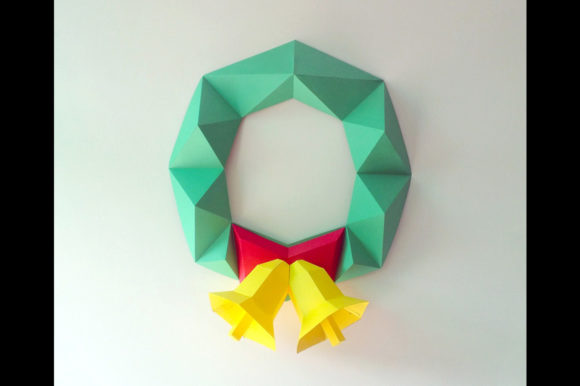
The listing describes this as a "CHRISTMAS WREATH GARLAND" with an assembling time of roughly two hours and dimensions of 18 x 14.6 x 5.6 inches. However, for us embroidery professionals, there is a crucial distinction to make right out of the gate. The file formats listed—PDF Templates, Instructions, DXF, and PNG—along with the required materials like cardstock, glue, and scissors, indicate that this is primarily a 3D SVG paper crafting project rather than a traditional stitch-out file. This doesn't mean it lacks value for an embroiderer; quite the opposite. It represents a hybrid opportunity for creating mixed-media holiday embroidery projects that stand out in a saturated market.
Visual Personality and First Impressions
The mood of the Christmas Wreath is undeniably festive, leaning into that classic, cozy aesthetic that sells well during the fourth quarter. The shape suggests a traditional circular or oval garland structure, which is a timeless silhouette. In the world of custom apparel and home decor, familiar shapes often perform better than abstract concepts because customers instantly recognize the theme. The layout appears designed for assembly, meaning the visual personality relies on layering and dimension. For an embroidery designer, this signals a potential application where stitched elements could be combined with these paper or cardstock components to create a truly unique finished product.
If you are an Etsy seller or a craft business owner, the visual appeal here lies in the versatility. A standard satin stitch wreath can sometimes look flat on a dark hoodie. By integrating the structural elements suggested by this 3D SVG design, you elevate the perceived value of the item. It moves from a simple "embroidered sweatshirt" to a boutique-grade art piece.
Real-World Application: The Hybrid Tote Bag Scenario
Let's walk through a realistic scenario. Imagine a client approaches your small shop product line requesting a limited-run batch of holiday tote bags for a corporate gift. They want something that feels handmade but polished. Using the Christmas Wreath concept, you wouldn't just stitch the whole thing. Instead, you might use a dense fill stitch or applique design technique to create the base greenery directly on the canvas tote. Then, utilizing the PDF templates and cardstock instructions provided with this design, you could assemble specific 3D accents—perhaps berries, bows, or dimensional leaves—and adhere them over or around the stitched areas.
This approach solves a common problem in commercial embroidery: how to add depth without thousands of extra stitches that compromise fabric drape. The result is a personalized gift that catches the eye. Customers interacting with this bag would feel the texture of the thread and see the shadow cast by the 3D elements. It builds trust in your brand consistency and shows a level of creativity that generic print-on-demand services cannot replicate.
Navigating Fabric and Texture Challenges
While the potential is high, practical judgment is required. If you decide to adapt elements of this design purely for stitching (converting the SVG paths to an embroidery file using your digitizing software), you must consider fabric texture. On a thick Terry cloth towel or a fuzzy fleece blanket, fine details can get lost. The "garland" aspect implies intricate curves and possibly overlapping layers. If you are working with a running stitch outline on a stretchy fabric like a baby onesie, you risk puckering unless your stitch density is optimized and you are using a high-quality cut-away stabilizer.
Dark fabrics present another consideration. The original design calls for white colored cardstock, which pops beautifully against darker backgrounds. If you are translating this to thread, ensure your thread colors have enough contrast. A forest green wreath on a navy blue jacket might look muddy in low light. Always test your design in black and white mockups first to check the value contrast before committing to the hoop.
Strategic Use Cases for Designers and Makers
Where does the Christmas Wreath fit best in your inventory? Here are a few strategic angles:
- Boutique Branding: Use the wreath motif on hang tags or packaging inserts using the provided PDF templates, while stitching a simplified version onto the garment itself. This creates a cohesive unboxing experience.
- Home Decor: Pillow covers and tea towels are excellent candidates. The rigid nature of the 3D assembly works well on items that don't undergo the same friction as daily wear apparel.
- Apparel Accents: For sweatshirt embroidery, consider placing the design on the sleeve or the lower hem rather than the center chest. This allows the 3D elements to sit without interfering with the wearer's movement or comfort.
- Digital Assets: If you sell printable mockups or design assets, this product offers a great base for creating realistic previews showing how 2D designs can become 3D objects.
Critical Designer Notes and Precautions
Before you list this as a handmade product or incorporate it into a client order, there are housekeeping tasks to handle. Since the provided files include DXF and PNG alongside PDFs, verify exactly what your intended workflow requires. If you plan to stitch any part of this, you will likely need to digitize the SVG paths yourself or confirm if a dedicated stitch file is included in a separate package, as the current description emphasizes assembly materials like glue and craft knives.
Always test the design on scrap fabric first. Check how the adhesive (if used for mixed media) interacts with the fabric after washing. Will the cardstock hold up? Probably not in a washing machine. Therefore, clearly label any mixed-media items as "spot clean only" or "decorative use." This manages customer expectations and protects your reputation.
Furthermore, review the licensing terms carefully. Just because you bought the file doesn't automatically grant you the right to resell the digital file itself or the physical assembled item in certain contexts. Confirm whether the license covers commercial embroidery projects or if it is restricted to personal use. This is vital for digital product sellers and apparel decorators alike.
Final Verdict on Value and Engagement
The Christmas Wreath is more than just a seasonal graphic; it is a prompt for creative problem-solving. In a market flooded with identical digitized wreaths, offering a product that combines the precision of machine stitching with the tactile charm of 3D paper crafting sets you apart. It enhances buyer engagement because it tells a story of craftsmanship. Whether you are making a baby embroidery piece for a nursery or a statement apron for a holiday hostess, the key is in the execution.
By treating the 3D SVG elements as complementary features rather than the sole focus, you can create embroidered patch styles, layered tote bag designs, and custom gifts that feel luxurious and thoughtful. The attention to detail required to assemble and integrate these pieces reflects directly on your professionalism. Ultimately, the success of this design in your shop depends on how well you bridge the gap between the digital template and the physical reality of thread and fabric. With careful planning and a keen eye for material compatibility, the Christmas Wreath can be a standout asset in your holiday collection.