Moon Multilayer: A 3D SVG for Shadow Boxes
As a graphic designer who spends most of my week juggling brand identities for boutique clients and prepping files for print-on-demand stores, I am always skeptical of "concept" vectors. Usually, they look great in a thumbnail but fall apart when you try to scale them for a real-world commercial design project. However, after downloading Moon Multilayer to test for an upcoming seasonal campaign for a handmade jewelry brand, I found myself pleasantly surprised by its versatility. This isn't just another clipart file; it is a robust graphic design asset that bridges the gap between digital illustration and physical crafting.
The Visual Mood: Mystical Yet Structured
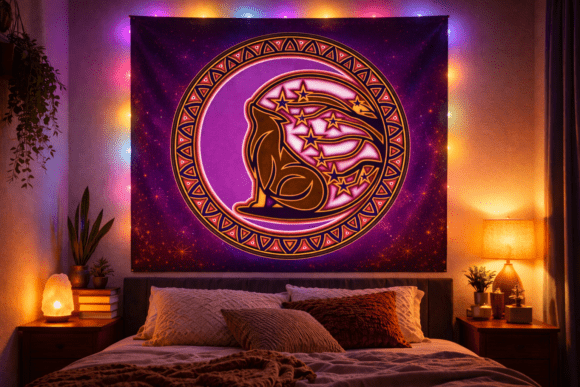
The first thing that strikes you about Moon Multilayer is the intricate balance between the organic shape of the wolf moon and the geometric precision of the mandala concept. For the client project I was working on—a launch collection titled "Lunar Essence"—we needed something that felt spiritual but not overly messy. Many SVG design files in this niche tend to be too thin or overly complex, making them impossible to cut or print clearly. This asset, however, maintains strong line weights and clear separation between layers.
The visual mood it creates is undeniably atmospheric. It evokes a sense of mystery and depth, perfect for brands leaning into wellness, astrology, or bohemian fashion. When I placed it against a deep navy background for a social media graphics mockup, the layered effect immediately added a level of sophistication that a flat image simply couldn't achieve. It feels less like a stock illustration and more like a custom piece of creative design tailored for high-end applications.
Real-World Application in Branding and Merchandise
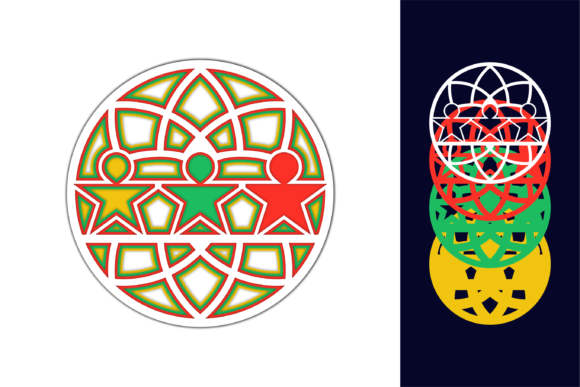
In terms of practical utility, Moon Multilayer shines brightest when used as a hero graphic. For the jewelry brand, we utilized the vector for their primary packaging design. Because the file is structured as a 3D SVG, it allowed us to create a die-cut window in the box lid, revealing a contrasting color layer underneath. This technique, often used in premium Shadow Boxes, elevated the unboxing experience significantly. It transformed a standard cardboard box into a tactile, interactive element of the brand identity.
Beyond packaging, the asset performs exceptionally well across various marketing visuals. I tested it for a series of t-shirt design concepts intended for an Etsy product line. The clean paths meant that when sent to the printer, there were no stray nodes or jagged edges. It also works beautifully for sublimation design on mugs and tote bags, where the gradient potential of the layers can be exploited to create a faux-3D look without needing complex shading software.
For digital sellers and content creators, this file is a goldmine for Canva template creation. You can import the layers separately to allow end-users to toggle visibility or change colors, adding value to your digital product offerings. Whether you are creating Pinterest pins for a lifestyle blog or designing invitations for a local mystical event, the scalability of the vector ensures crisp edges at any size.
Strategic Placement and Design Hierarchy
While Moon Multilayer is powerful, it requires strategic placement to maintain visual hierarchy. This asset works best in large layout areas where the details of the mandala can breathe. It is ideal for poster headers, website hero sections, and detailed product mockups. In these contexts, the complexity of the wolf moon adds texture and interest without overwhelming the viewer.
However, caution is advised when using this in smaller formats. If you attempt to shrink it down for a favicon or a small footer logo, the intricate mandala details may merge, resulting in a muddy blob. It is also not suitable for minimalist corporate branding where clean, sans-serif simplicity is the goal. The ornate nature of the design demands space. Furthermore, avoid placing it over busy or low-contrast backgrounds. To ensure the illustration pops, it needs a solid color field or a very subtle texture. Crowded layouts will fight with the density of the mandala, reducing the overall professionalism of the piece.
Technical Performance and Designer Notes
Before committing to this asset for a paying client, there are several technical checks every professional should perform. First, test the design in black and white. A good clipart or vector should hold its form even without color. Moon Multilayer passed this test, maintaining its structural integrity, which is crucial for single-color vinyl cutting in Cricut projects.
Next, inspect the file organization. A true design bundle worth its salt should have logically named layers. This allows you to isolate the wolf silhouette from the mandala background if your logo design requires a simplified version. Check the PNG transparency if raster versions are included; ensure there are no halos around the edges. For vector users, zoom in to 400% and inspect the anchor points. Smooth curves indicate a high-quality trace, while jagged points suggest a low-resolution source was upscaled.
Typography pairing is another critical consideration. Given the ornate and somewhat mystical vibe of the wolf moon, this asset pairs wonderfully with elegant serif fonts or flowing script fonts that mimic handwriting. Avoid pairing it with blocky, industrial display fonts unless you are aiming for a specific clash aesthetic. For editorial design or web banners, a clean sans-serif can provide a nice modern counterpoint to the traditional mandala style.
Final Verdict for Commercial Use
Ultimately, Moon Multilayer is a versatile tool for the modern designer's toolkit. It transcends the typical limitations of stock vectors by offering genuine depth and adaptability. Whether you are running a handmade business, managing small business branding, or selling printable design files on a creative marketplace, this asset holds up under scrutiny. Just remember to verify the commercial license terms before deployment. Used correctly, it can turn a standard project into a memorable visual experience that resonates with audiences seeking depth and meaning in their creative design interactions.