Review: 3D Paper Cut Flowers Template for Embroidery
As a designer who spends more time at the hoop than away from it, I am always skeptical when I see digital assets labeled "3D" that aren't actually digitized stitch files. However, after spending the last week integrating the 3D Paper Cut Flowers Template into a client project, I have to say this collection offers a unique bridge between paper crafting and textile art. This isn't a standard machine embroidery design you load and stitch; it is a sophisticated set of design assets intended for hybrid creation. For Etsy sellers, craft business owners, and handmade shop operators looking to elevate their product lines, understanding how to leverage these layers is key to creating a truly standout finished product.
The Aesthetic: Layered Depth and Modern Botanicals
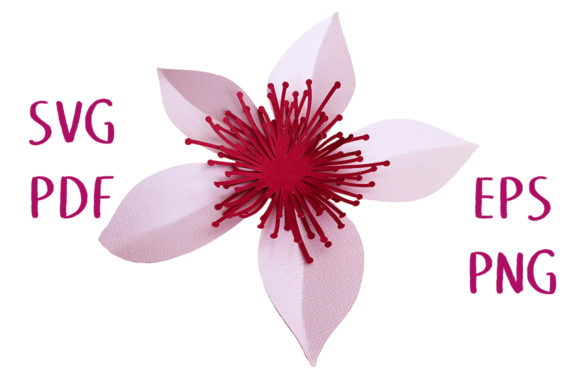
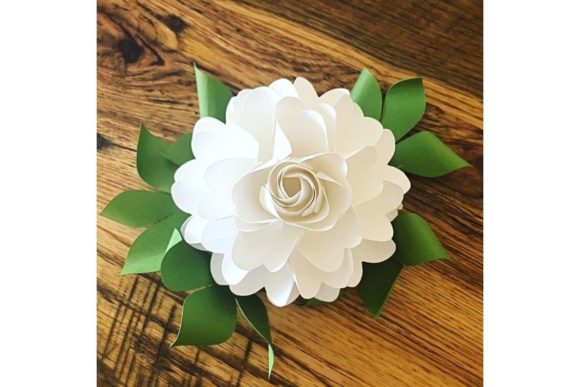
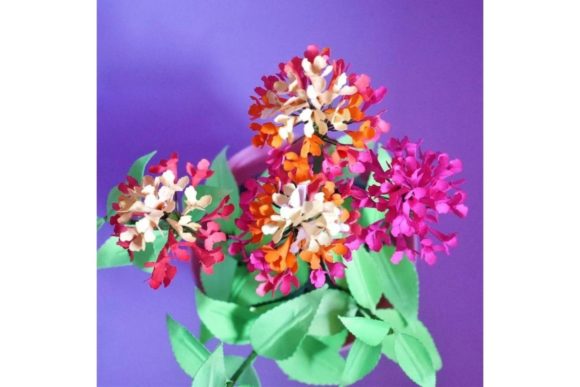
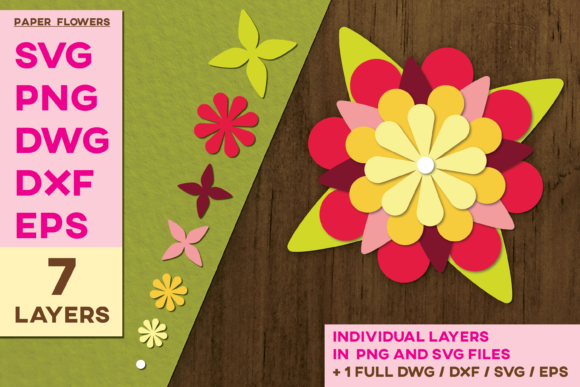
My first impression upon opening the files was the sheer versatility of the layering system. The package includes 7 Individual Layers in PNG and 7 Individual Layers in SVG, along with full flower versions in DWG, DXF, SVG, and EPS formats. Visually, the Paper Flowers aesthetic is clean, modern, and slightly architectural. Unlike traditional floral motifs that rely on dense fill stitch or complex satin stitch shading to create depth, this design relies on physical layering.
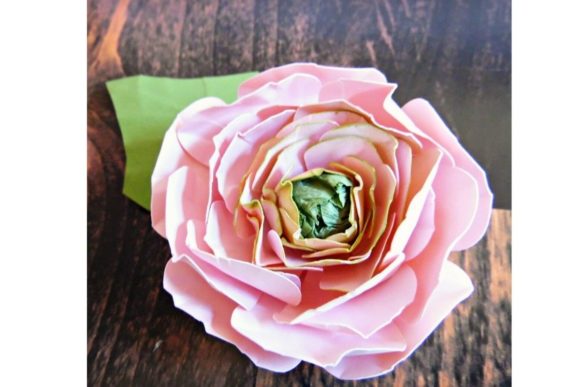
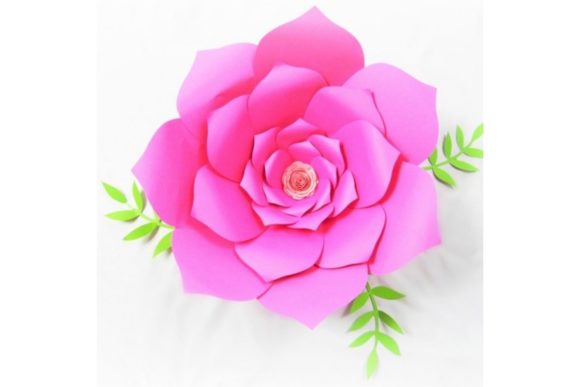
The mood is fresh and contemporary, perfect for boutique branding or nursery decor. The shapes are crisp, with defined edges that suggest they were cut with precision. For an embroidery purist, this might seem like a departure from tradition, but for a creative entrepreneur, it represents an opportunity. The visual personality of the 3D Paper Cut Flowers Template screams "handmade" without looking rustic or old-fashioned. It fits seamlessly into current trends where mixed media and texture are highly valued by consumers.
Real-World Application: The Custom Tote Bag Project
To test the viability of this template for real commercial use, I decided to apply it to a custom order for a local botanical shop. They needed a series of tote bag designs that would serve as both packaging and reusable merchandise. A standard embroidered flower often gets lost on canvas or looks too flat. Here is where the 3D SVG nature of these files shines.
I used the SVG layers to cut individual petals from high-quality felt and stiffened cotton using a digital cutter. Instead of trying to simulate depth with thousands of stitches, I stacked the layers directly onto the tote bag fabric. I then used a narrow running stitch or a tight satin stitch border to secure each layer to the base fabric. The result was a genuinely three-dimensional floral arrangement that cast actual shadows and had tangible texture.
This approach transforms a simple embroidery project into a high-value handmade product. Customers interacting with the bag at a craft fair immediately reached out to touch the flowers. The tactile experience adds a layer of perceived value that a flat digital embroidery file simply cannot match. For small shop products, this kind of engagement is crucial for converting browsers into buyers.
Navigating Fabric and Hoop Challenges
While the potential is high, using the 3D Paper Cut Flowers Template requires careful consideration of your materials. Because this technique involves adding physical layers on top of fabric, the choice of base material matters immensely. On stretchy fabrics like jersey knits for sweatshirt embroidery or baby embroidery projects, adding heavy layered elements can weigh down the garment and cause distortion. In these cases, I recommend using a robust stabilizer behind the design area and perhaps limiting the number of layers to keep the weight manageable.
Similarly, hoop size becomes a logistical factor. While the digital files can be scaled infinitely, your physical ability to stack layers is limited by the stability of the fabric within the hoop. If you are working on a curved surface like a cap, stacking multiple layers of paper or felt derived from these templates can be tricky. The rigid nature of the "paper cut" style might not conform well to the curve of a baseball cap brim without buckling. For hats, I would suggest using just the base layer as an applique design and embroidering the details on top, rather than attempting full 3D stacking.
Dark fabrics present another interesting challenge. The preview flower included in the pack helps visualize the silhouette, but you must ensure your thread colors and material choices provide enough contrast. A light-colored paper layer on a black hoodie looks striking, but if the stitching holding it down blends in too much, the definition is lost. Always test your thread colors against the fabric texture before committing to the final piece.
Commercial Viability and Brand Consistency
For those running a craft business, consistency is everything. One of the strengths of the 3D Paper Cut Flowers Template is the uniformity it offers across different product types. Whether you are making a pillow cover, a kitchen towel, or a framed piece of wall art, the underlying geometry of the flower remains consistent. This allows for strong brand recognition. A customer who buys a floral patch from you will instantly recognize the same design language on your holiday embroidery collection.
Furthermore, the inclusion of vector formats like EPS and DXF means these assets are not limited to textile work. You can easily incorporate them into printable mockups for your online store, ensuring your digital marketing matches your physical inventory. This dual utility makes the purchase highly efficient for commercial embroidery professionals who need to wear many hats—literally and figuratively.
Practical Notes for the Serious Maker
Before you list these as part of your personalized gift catalog or use them for holiday embroidery runs, there are a few technical checks you must perform. Since this is a template and not a pre-digitized stitch file, the responsibility for structural integrity lies with you.
- Test on Scrap First: Always run a trial on scrap fabric identical to your final product. Check how the layers adhere and whether the fabric puckers under the weight.
- Check Stitch Density: If you choose to outline the layers with embroidery, ensure your stitch density isn't so high that it perforates delicate paper or thin felt materials.
- Licensing Verification: The package contains various file types (PNG, SVG, DWG, DXF, EPS). Before selling finished products or using these as design assets in a broader commercial context, confirm the specific licensing terms provided by the creator. Do not assume unlimited commercial rights without reading the fine print.
- Washability: Consider the end use. If this is for a tea towel or item that needs frequent washing, glued or stacked paper elements may not survive. For washable items, consider translating the layers entirely into fabric appliqué secured with durable stitching.
- Detail Inspection: Look closely at the tiny corners and intricate cuts in the SVG layers. Some digital cutters struggle with extremely sharp internal angles; you may need to simplify the path slightly for physical cutting.
In conclusion, the 3D Paper Cut Flowers Template is a powerful tool for the modern maker who refuses to be boxed into a single medium. It challenges the traditional boundaries of what an embroidery file can do by inviting physical manipulation and layering. While it requires more hands-on effort than a standard "load-and-go" design, the payoff is a unique, textured, and highly marketable product that stands out in a crowded marketplace. For the creative entrepreneur willing to put in the extra prep work, this template is a gateway to creating truly memorable custom apparel and home goods.