Review: 6 Count Flip Open Candy Box for Crafters
As a designer who spends more time staring at stitch maps than most people care to admit, I approach every new machine embroidery design with a mix of curiosity and skepticism. We have all been there: you download a file that looks perfect on the screen, only to find it turns into a bird's nest of thread once it hits the fabric. That is why I was particularly interested in putting the 6 Count Flip Open Candy Box through its paces. This isn't just about whether the lines are clean; it is about whether this specific shape can hold up in a real-world embroidery project intended for sale or gifting.
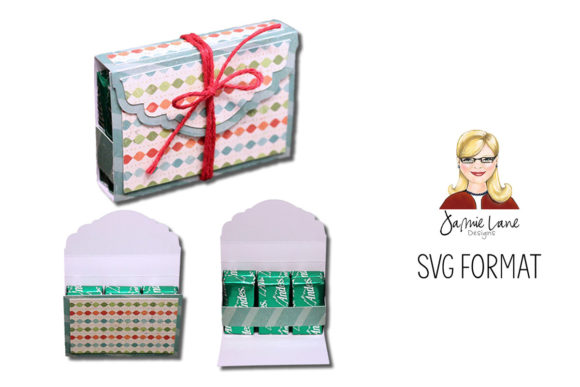
At first glance, the concept is charmingly specific. We are looking at a template designed to hold six Andes mints, arranged in two neat rows of three. The dimensions—approximately 2-1/2 x 1-3/4 x 1/2 inches—suggest a compact, functional item rather than a massive statement piece. For those of us running a craft business or selling as an Etsy seller, scale is everything. A design that is too large becomes unwearable on a cap or awkward on a baby onesie, while something too small gets lost in the texture of a towel. This 3D SVG sits in a sweet spot, offering enough surface area for detail without demanding a jumbo hoop.
Visual Personality and Design Intent
The mood of the 6 Count Flip Open Candy Box is undeniably festive and nostalgic. It evokes memories of holiday parties, wedding favors, and thoughtful hostess gifts. Visually, the layout relies on clean geometry. In the world of Shapes, boxes can sometimes feel rigid or industrial, but the "flip open" mechanism implied here adds a layer of interactivity that translates well into a visual narrative. When digitized correctly, the lines should suggest depth and structure, inviting the viewer to imagine the physical object.
For an embroidered patch or a pocket detail on an apron, this level of specificity creates instant recognition. It tells a story before a single word is read. If you are creating a personalized gift for a chocolate lover or a sweet-toothed colleague, this design does the heavy lifting for you. It feels boutique and curated, which is exactly the vibe we want for high-end small shop products.
Real-World Application Scenarios
Let's move from theory to practice. Imagine you are preparing a batch of custom tote bags for a local bakery's holiday promotion. You need a tote bag design that is quick to stitch but looks substantial. The 6 Count Flip Open Candy Box works beautifully here. Placed near the bottom corner of a canvas bag, it acts as a whimsical logo or a decorative accent. Because the box is designed to hold mints, you could even pair the embroidered version with an actual packet of candies tucked into the bag, creating a cohesive sensory experience for the customer.
Another strong use case is sweatshirt embroidery. Picture a cozy, oversized crewneck in a neutral oatmeal color. Stitching this design in a contrasting thread color on the left chest area creates a focal point that is playful yet sophisticated. It avoids the childish look that some food-related designs can fall into, thanks to its geometric precision. For baby embroidery, perhaps on a bib or a burp cloth, the soft curves of the box (depending on the specific digitizing style) can be softened further with pastel thread colors, making it a delightful addition to a nursery gift set.
I also see potential for holiday embroidery projects. Think of kitchen towels or oven mitts. The mint green and silver foil association of Andes mints pairs perfectly with Christmas palettes. However, the design is versatile enough for year-round use if you swap the threads for spring pastels or autumn earth tones. As a commercial embroidery asset, its adaptability increases its value significantly.
Technical Considerations and Fabric Challenges
While the concept is solid, execution is where the rubber meets the road. Since this is technically a SVG cutting template originally intended for paper or cardstock crafts, adapting it for embroidery requires a keen eye for stitch density. If you are using this as a reference for manual digitizing or converting it, you must be wary of tiny details. The "flip" mechanism and the internal divisions for the six mints create small corners and tight spaces.
On textured fabrics like terry cloth towels or thick fleece sweatshirts, these fine lines can get swallowed up. I strongly advise testing the design on scrap fabric that matches your final product's weight and pile. If the fill stitch areas are too dense, the fabric might pucker, distorting the rectangular shape into something unrecognizable. Conversely, if the running stitch outlines are too sparse, the definition between the six compartments will vanish.
Stabilizer choice is non-negotiable here. For a structured look that mimics a real box, a cut-away stabilizer is likely your best friend, especially if the finished product will undergo frequent washing. Tear-away might leave behind fibers in the tight corners, ruining the crispness of the design. Furthermore, consider the hoop size. While the description notes compatibility with 8x12 and 12x12 mats for the cutting aspect, in embroidery, you need to ensure your hoop accommodates the design plus enough margin for proper framing, particularly if you are adding monograms or text alongside the box.
Enhancing Product Value and Brand Consistency
In the competitive landscape of handmade goods, presentation is king. Using a distinct shape like the 6 Count Flip Open Candy Box helps build brand consistency. If your shop specializes in quirky, functional gifts, this design reinforces that identity. It shows attention to detail—a willingness to go beyond generic fonts and clip art. Customers trust brands that show expertise, and a cleanly stitched, well-placed design signals professionalism.
When creating printable mockups or digital previews for your online store, this design offers great versatility. It photographs well because of its defined edges. Whether you are selling the digital embroidery file itself or the physical handmade product, the visual clarity of the box translates effectively to screens. Just remember to check the licensing terms. Since the source material mentions it is an SVG template, ensure you have the rights to sell embroidered versions if that is your goal. Never assume a cutting file license extends to commercial embroidery sales without verification.
Final Designer Notes
Before committing to a production run, take these practical steps. First, stitch a test sample in black and white. This removes the distraction of color and lets you judge the contrast and clarity of the stitches. Second, pay close attention to the corners. Sharp 90-degree angles in embroidery often require tie-offs or specific stitching sequences to prevent looping. Third, consider your audience. Is this for a child? Ensure there are no loose loops that could pose a hazard. Is it for a high-end boutique? Then the backing must be invisible and the tension perfect.
The 6 Count Flip Open Candy Box is a delightful addition to any designer's library, provided it is treated with the technical respect it deserves. It bridges the gap between a fun novelty item and a structured design element. With the right fabric, proper stabilization, and thoughtful thread selection, it can elevate a simple custom apparel piece into a memorable keepsake. As always, let your machine do a test run, trust your eyes, and enjoy the process of turning a digital shape into a tangible, touchable reality.