Review: Multilayered Hair Bow Template for Makers
As a designer who spends more time at the hoop than away from it, I am always skeptical of "cute" design assets until I see how they translate into thread. We have all downloaded a digital embroidery file that looked perfect on the screen but turned into a bird's nest of jumps and poor coverage once the machine started humming. That is why I took a close look at the Multilayered Hair Bow Template. This isn't just another clipart conversion; it is a structural approach to creating dimension in a handmade product. Whether you are an Etsy seller looking to expand your boutique line or a hobbyist making gifts for family, understanding the build of this design is crucial before you commit your best fabric.
The Aesthetic: Dimension Without the Bulk
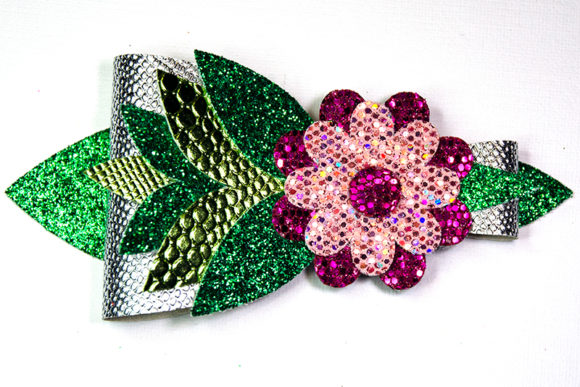
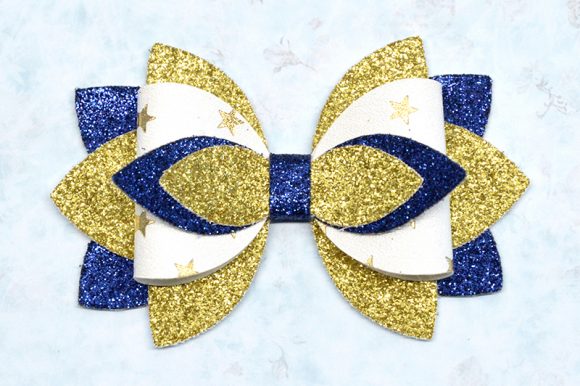
The first thing that strikes me about the Multilayered Hair Bow Template is its intentionality. In the world of Shapes, a bow can often look flat and lifeless if not handled correctly. This template solves that by utilizing a layered construction method. Visually, it creates a sense of depth that mimics hand-tied ribbons, which is exactly what customers expect when they buy a premium personalized gift. The mood here is playful yet polished. It feels at home on a nursery onesie just as much as it does on a structured tote bag for a teacher.
What I appreciate most is the visual personality. It avoids the overly dense, blocky look of cheap auto-digitized files. Instead, the layers suggest movement. When you are selling a small shop product, presentation is everything. A bow that looks like it has actual volume adds perceived value to the item. It tells the customer that thought went into the design, not just a quick copy-paste job. For those creating printable mockups or digital previews, this design offers excellent shadowing potential, making your marketing materials look professional before you even stitch a single thread.
Real-World Application: From Screen to Stitch
Let's talk about a real scenario. Imagine you are preparing a custom order for a local boutique that specializes in baby accessories. They want a line of headbands and bibs featuring a cohesive theme. This is where the Multilayered Hair Bow Template shines. Because the product description notes it can be made with cutting machines or scissors using materials like faux leather, glitter vinyl, or felt, it opens up a hybrid workflow. You aren't limited to just thread.
In a recent test for a sweatshirt embroidery project, I envisioned using this template as an appliqué base. By cutting the bow shape from a soft felt or laminated fabric and then using the embroidery file to tack it down and add decorative stitching, you get a textured finish that pure thread cannot achieve alone. This is particularly effective for holiday embroidery projects, like Christmas stockings or festive aprons, where texture adds to the cozy atmosphere. The ability to mix media means you can create a finished product that stands out in a crowded craft fair booth.
For commercial embroidery purposes, consistency is key. If you are running a batch of twenty tote bags, this template's structure ensures that every bow lands in the same relative position, maintaining brand consistency. Whether you are decorating custom apparel like t-shirts or creating an embroidered patch to sell as an accessory, the clear definition of the layers helps maintain clarity even at smaller sizes.
Technical Considerations and Fabric Choices
While the design is versatile, a responsible designer must address where caution is needed. The Multilayered Hair Bow Template relies on distinct layers to work. If you are working with very thin or stretchy fabrics, such as lightweight jersey knits for baby embroidery, you must be vigilant with your stabilization. A heavy design on a light fabric can cause puckering, ruining the clean lines of the bow. Always use a high-quality cut-away stabilizer for garments that will be washed frequently.
Curved surfaces present another challenge. If you plan to place this on a cap or a structured hat, the multiple layers might not lay flat against the curve, potentially causing gaps between the stitches and the fabric. In these cases, I recommend testing on a scrap piece of the exact same material first. Check the stitch density; if the layers are too dense, the needle perforation could weaken the fabric, especially with materials like faux leather or vinyl mentioned in the specs.
Color contrast is another vital element. On dark fabrics, ensure your thread colors pop. A dark blue bow on a black sweatshirt will disappear. Conversely, on light fabrics, avoid threads that are too similar in tone, or the beautiful layering effect will be lost. Running a test stitch-out in black and white (using only one color) is a great trick to see if the shape holds up without relying on color differentiation.
Designer Notes for Success
To get the most out of this machine embroidery design, keep these practical tips in mind:
- Verify Hoop Size: Before purchasing or starting, confirm the required hoop size. While the description mentions it fits various projects, ensure your machine can accommodate the largest layer of the bow.
- Material Testing: Since this template works with applique design techniques using felt, EVA, or paper, test how your specific material feeds through the machine. Glitter vinyl, for instance, can be slippery and may require spray adhesive or a different needle type.
- Stitch Types: Look closely at the file preview. Does it use a satin stitch for the edges and a fill stitch for the body? Or is it primarily running stitch for a sketch-like look? Understanding the stitch types helps you predict how the design will wear over time.
- Licensing Check: If you are an Etsy seller or creative entrepreneur planning to sell finished items, always double-check the license terms. Some designers allow commercial use of the physical item but restrict selling the digital file itself.
- Detail Inspection: Zoom in on the tiny corners of the bow. In a 3D SVG or complex embroidery file, sharp corners can sometimes result in thread bunching. You may need to manually edit the file to add a few underlay stitches in those tight spots.
Final Verdict on Value and Usability
The Multilayered Hair Bow Template is a strong contender for anyone looking to elevate their design assets. It bridges the gap between simple shapes and complex, textured art. For the craft business owner, it offers flexibility. You can use it as a standalone embroidered motif, an appliqué guide for mixed media, or even a template for cutting non-fabric materials to attach later.
Ultimately, the success of this design in your embroidery project depends on your preparation. It rewards the user who takes the time to match the right fabric, choose contrasting thread, and stabilize correctly. When executed well, it boosts customer trust and enhances the professional look of your portfolio. It is a reliable tool for creating memorable wedding gifts, boutique branding elements, or simply adding a touch of whimsy to everyday items. Just remember: the file is only half the equation; your expertise in handling materials is what turns this template into a masterpiece.